Recover abandoned carts before intent disappears.
Sent turns abandoned carts into timely, personalized SMS journeys that bring shoppers back to checkout and help recover lost revenue.
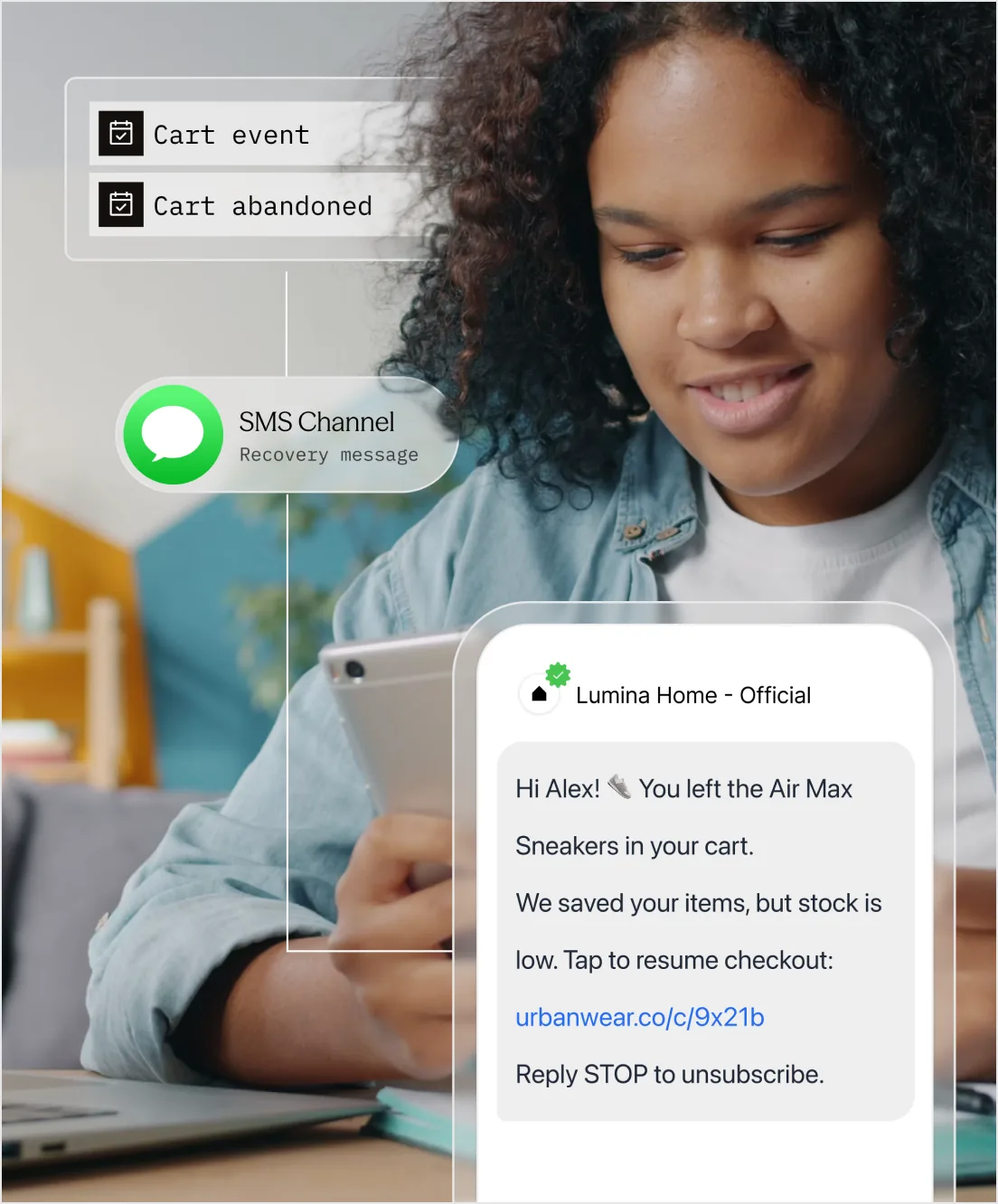
A customer was ready to buy. Then the journey stopped.
Around 70% of online carts are abandoned. Email reminders are often missed, and every delay makes it harder to bring the shopper back.
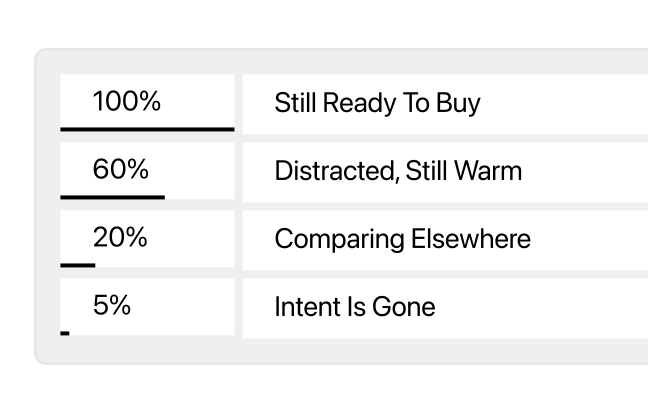
Purchase intent fades quickly
The longer a cart sits untouched, the less likely the shopper is to return with the same intent to purchase.
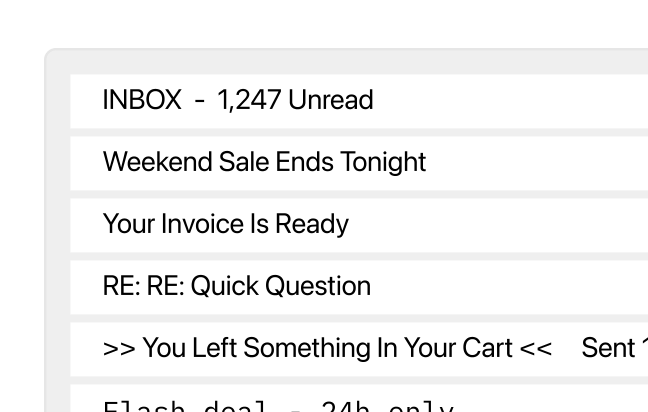
Email is easy to miss
Recovery emails compete with a crowded inbox and may not be seen during the most important recovery window.
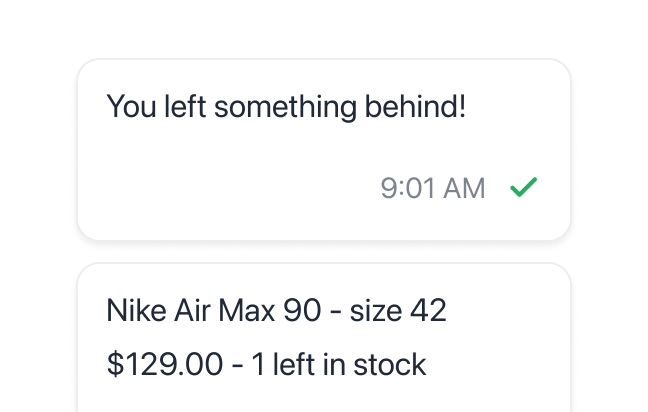
Generic reminders get ignored
Without the cart details, a useful offer, or a direct path back, customers have little reason to finish checking out.
Meet Sent: cart recovery that knows when to act.
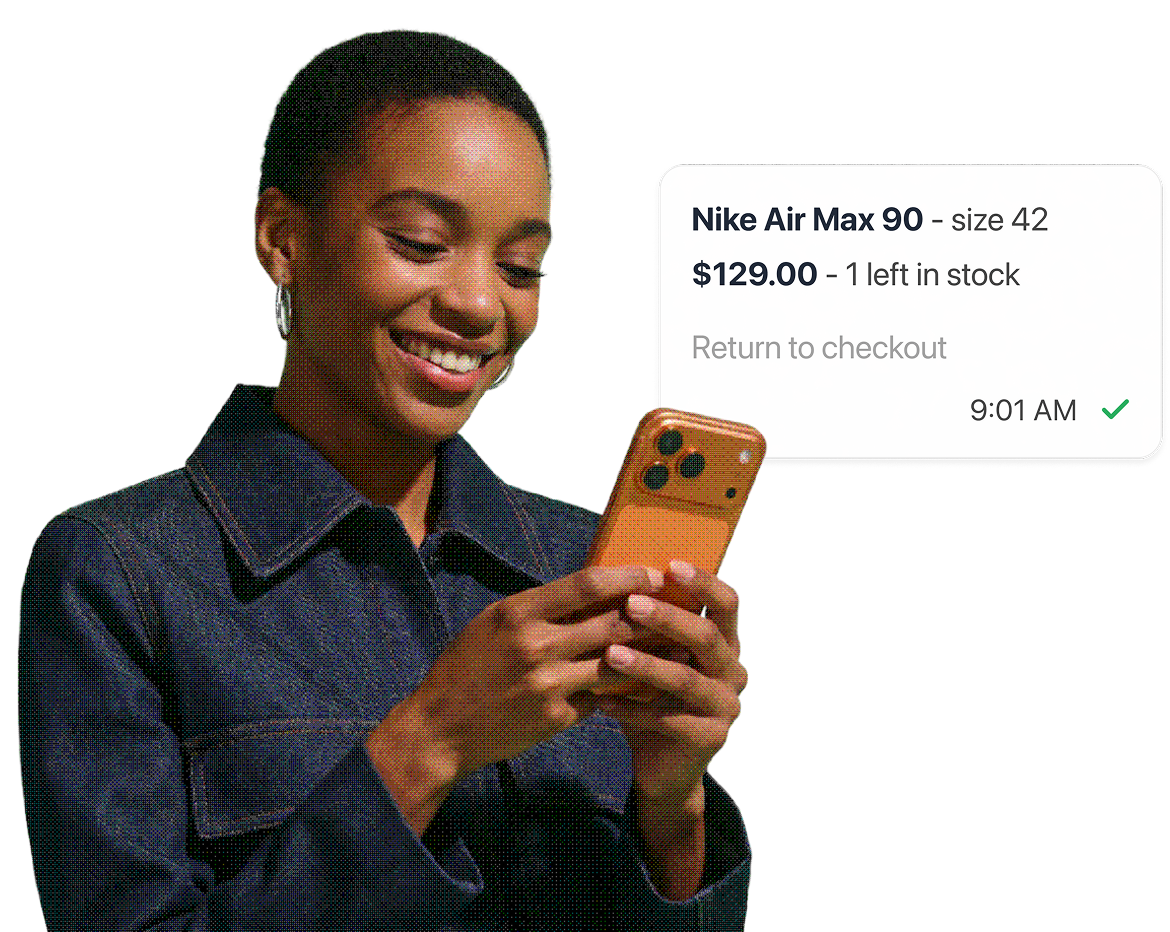
From abandoned cart to recovered order
Sent receives the cart event, waits for the right moment, personalizes the message, and sends the shopper directly back to checkout.
Everything needed to bring the shopper back.
Sent handles the trigger, timing, personalization and follow-up while your team stays focused on the customer experience.
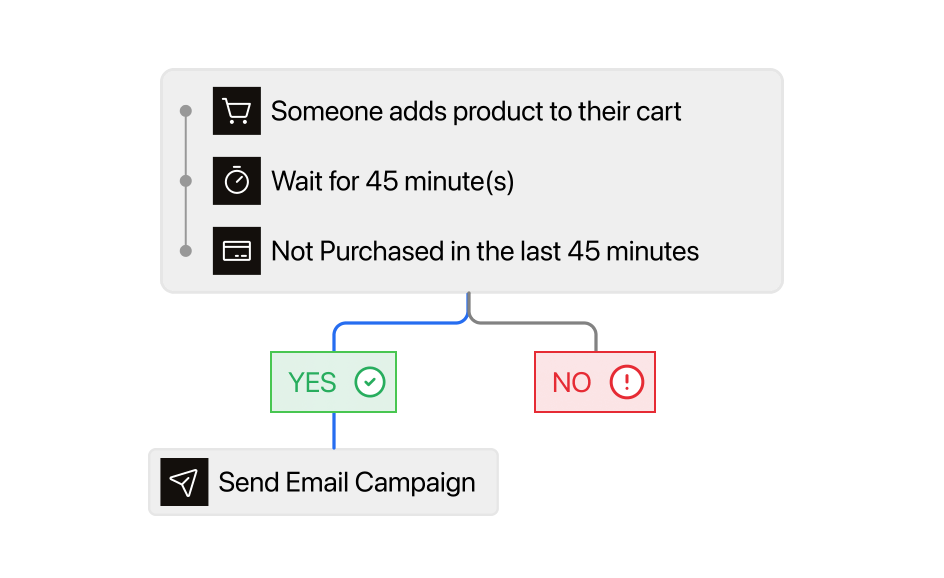
Trigger while intent is high
Automatically trigger a recovery SMS within minutes of abandonment, while the customer is still thinking about the purchase.
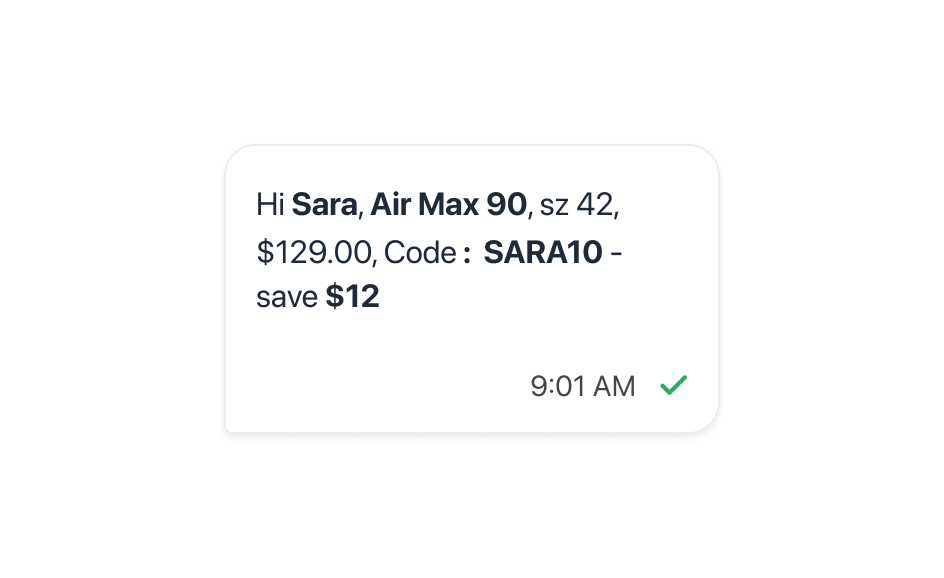
Make every message personal
Add the customer’s name, exact cart items, product images and personalized discount codes.
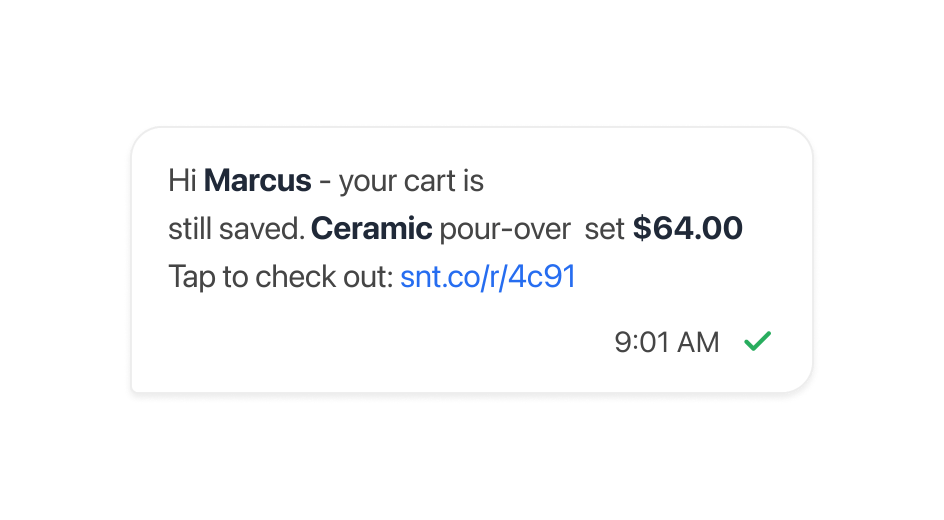
Remove checkout friction
Bring customers directly back to their saved cart with a clear, one-click checkout link.
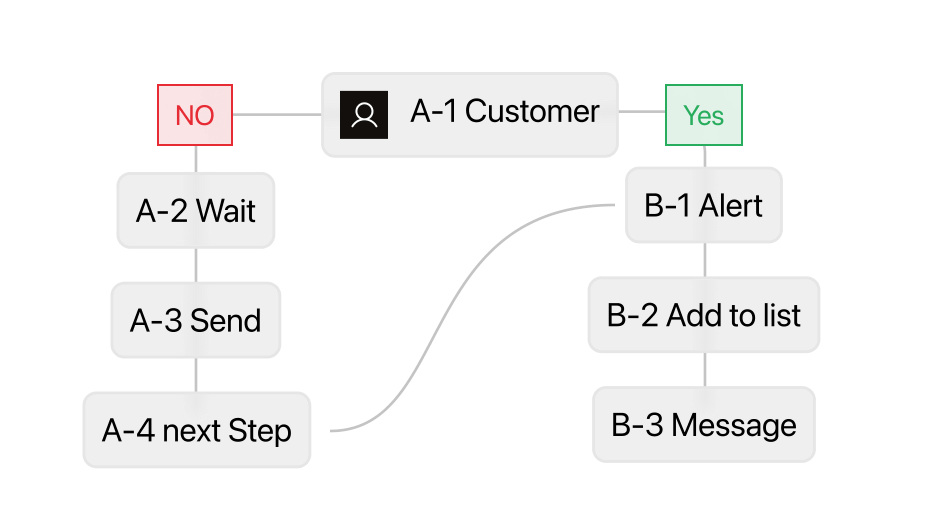
Follow up without over-messaging
Build multi-step sequences with smart scheduling and frequency caps instead of relying on one reminder.
Improve every recovery journey.
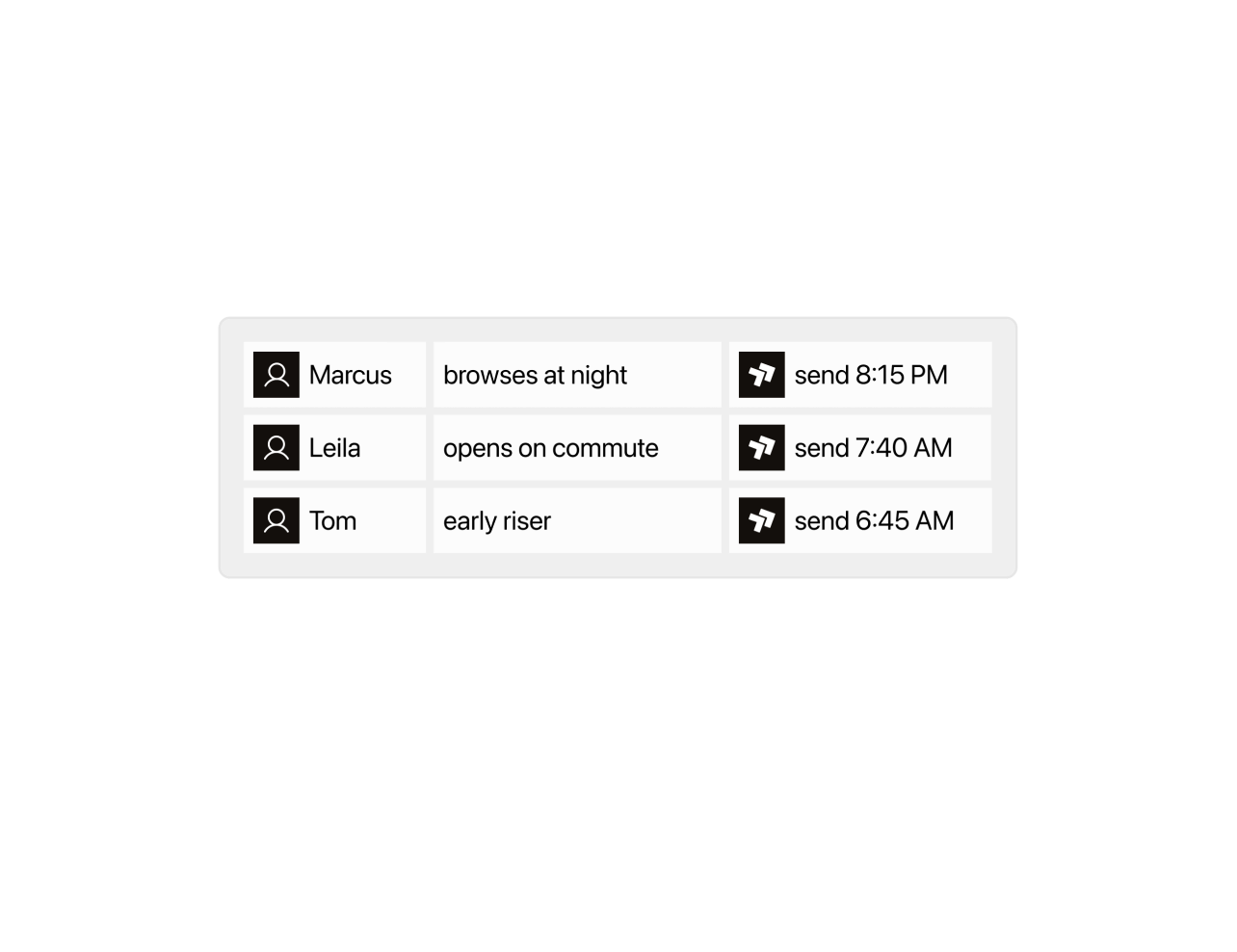
Use customer behavior and campaign performance to improve when messages send, what they say and how much revenue they recover.
Recover revenue without losing customer trust.
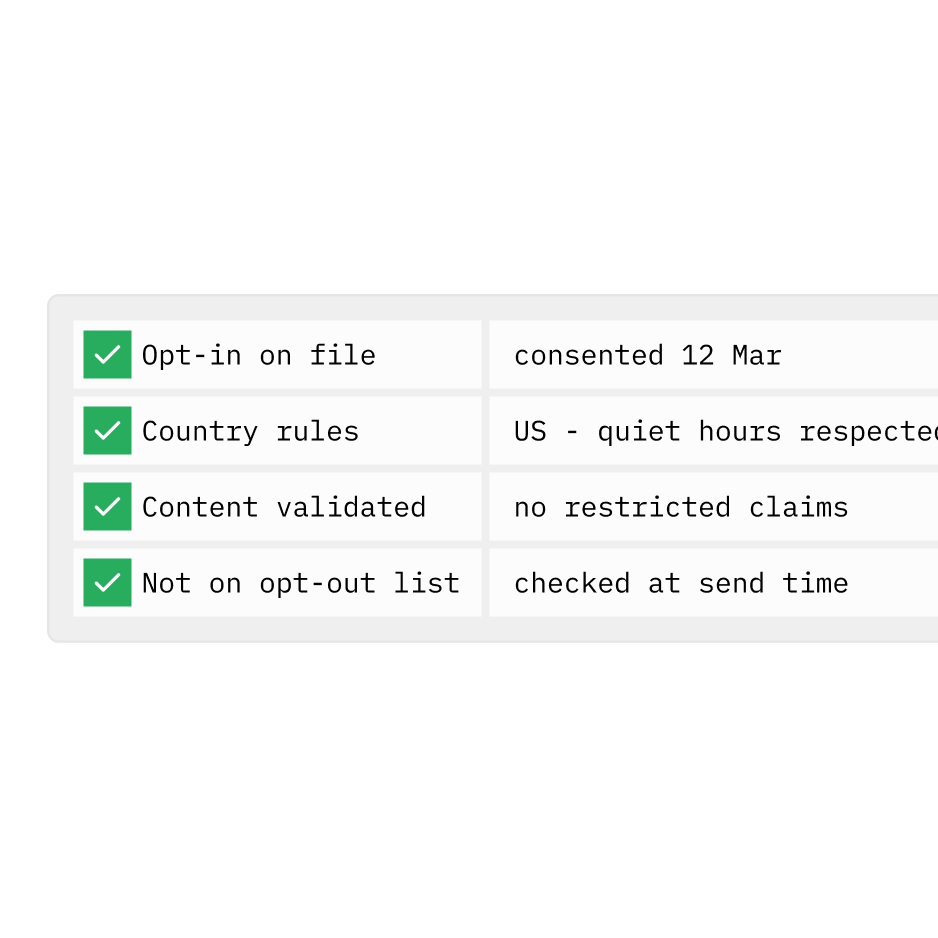
Sent supports opt-in enforcement, country-specific messaging rules, content validation and automatic handling of customer opt-outs.
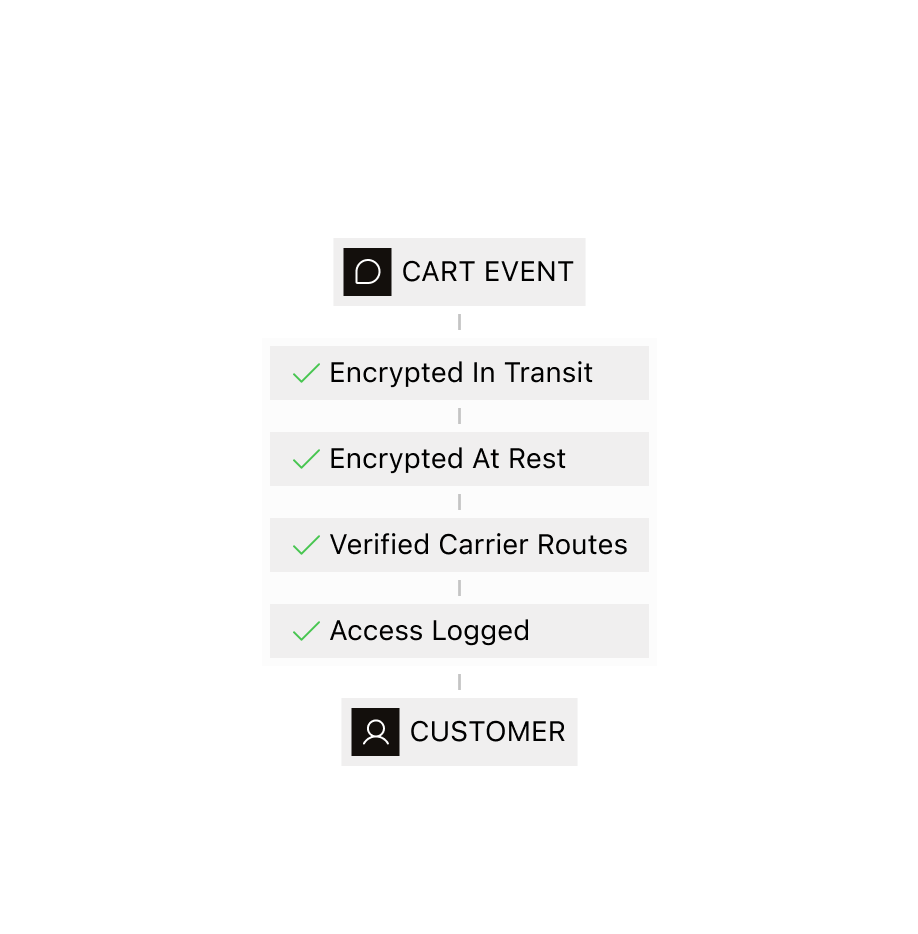
API keys stay server-side, webhook events are signed, and every recovery send is made from your own authenticated systems.
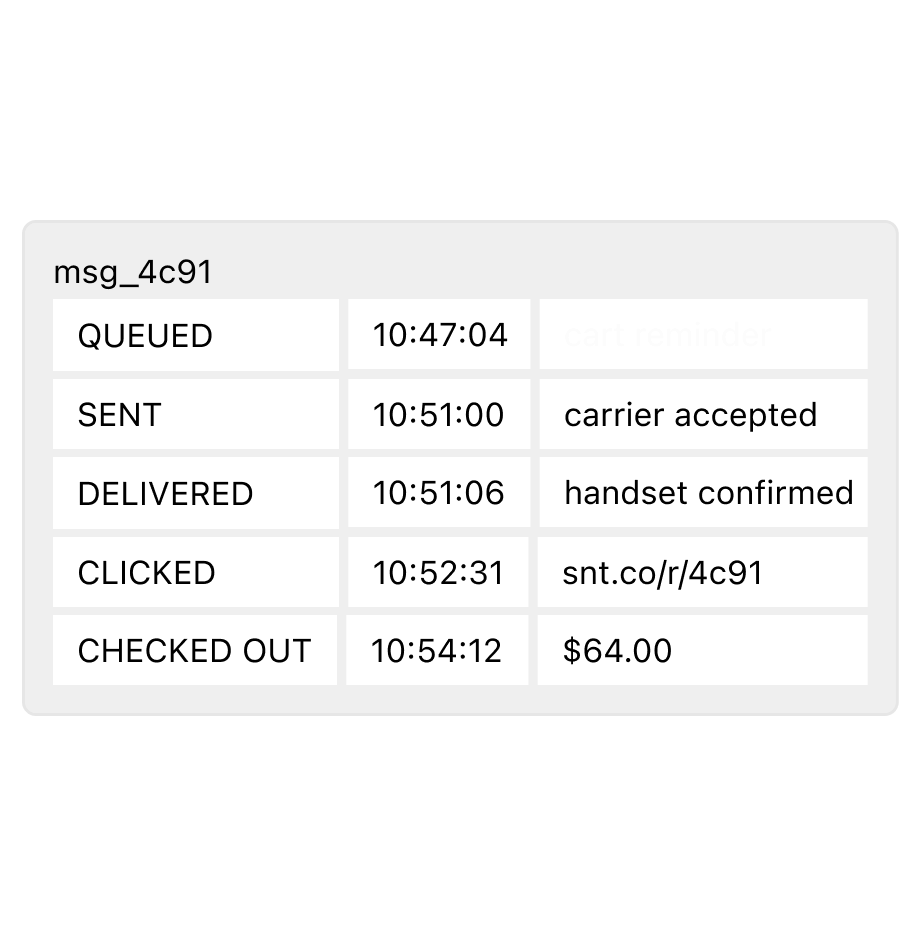
Queued, sent, delivered, clicked and checked out are reported against one message ID, so support can see exactly what the shopper received.
One API. Every channel.
Contact SalesFrequently asked questions
SMS reaches the messaging app already built into every phone, with no app to install. WhatsApp adds the product photo and a tap-to-return button. When Sent chooses the channel, each shopper gets the cart reminder on the best channel they can receive, from a single template. Many stores use messaging alongside recovery emails, not instead of them.
The shopper's name, the item they left, an offer if you use one, and a direct link back to their saved cart, all filled in from your store at send time. On WhatsApp, add a product image header and a checkout button. On SMS, only the body is delivered, so put the cart link in the text and keep it short enough for one SMS.
Your store decides. It triggers the first reminder when checkout stops, and can schedule follow-ups for later times on each request. Sent sends at the moment you set. If a reminder would arrive during the shopper's local quiet hours, Sent holds it and releases it automatically when the window opens.
When the shopper checks out, cancel any reminders still scheduled through the Sent API. Sent never sends a cancelled message. Limits on how many reminders a shopper receives live in your store's logic. If a shopper replies STOP, Sent blocks every later message to them on every channel.
Yes, by running the test from your store. Create one Sent template per version, for example two different offers, and split shoppers between them. Delivery events include the template ID and click events include the message ID, so you can see which version brings more shoppers back.
Not always. Messaging apps and security scanners often open links automatically. Sent marks each click with a traffic type, so you can count only clicks that are likely from a real person. To measure recovered revenue, match those clicks to completed orders in your store, because Sent doesn't see the checkout.
Usually yes. Cart reminders are typically treated as marketing, and in the US, marketing texts require prior express written consent. Collecting and recording that consent is your store's responsibility. Sent then enforces opt-outs on every send, and on WhatsApp the template must be approved under the marketing category.